


Cinderella Me guides
New old stock and rare shoes: age, condition and evidence
What unworn older stock means, which condition questions to ask, and how to assess rarity without promises of future value.
Unworn is not the same as recently made
New old stock usually describes older stock offered as unused. Ask the seller what that description means for the particular pair: whether it has been tried on or displayed, its known age and any storage marks. A season or manufacture date should come from evidence, not a guess based on the shape.
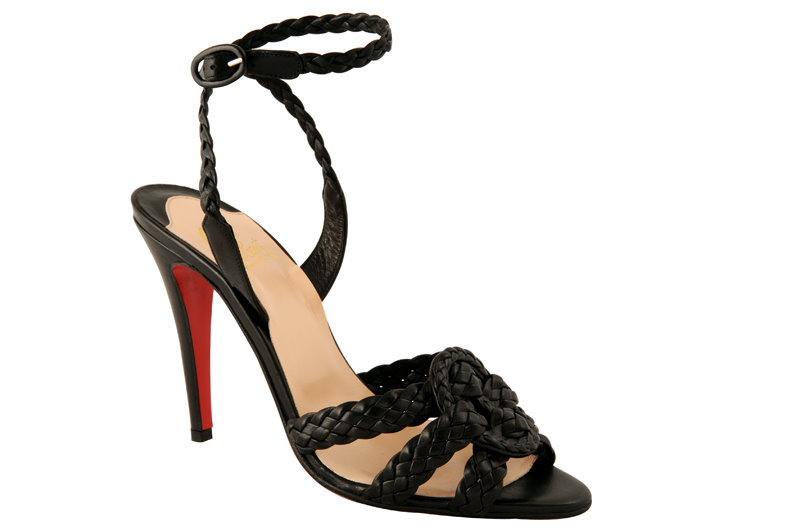
A product photograph from the CM catalogue. Check the listing for the exact size, materials, condition and current availability.
View productAsk about age-sensitive parts
Check linings, soles, heel tips, adhesives and straps as well as the visible upper. SATRA documents that some polyurethane components can deteriorate with time and moisture, including in stored footwear. This does not mean every old shoe contains polyurethane or is affected, but unworn status alone does not prove wearability.
- Request recent photographs, including both soles and the inside.
- Ask about tackiness, peeling, cracking or separation and any repairs.
- Clarify whether the box, dust bags and spare components are original, replacement or absent.
Separate scarcity from provenance
A last available pair in one size is not automatically a limited edition. A documented model name, catalogue reference or original purchase record is more useful than “rare” on its own. Keep a dated copy of the description if collecting the design matters to you.
Decide whether you want to wear or collect
For wearing, fit and present condition come first. For collecting, record what is known and what remains uncertain, and think about storage. Buy because the design and price suit your purpose; scarcity does not guarantee authenticity, durability or resale value.