


Cinderella Me guides
Chanel Shoes and Accessories: Details, Materials and Buying Checks
Separate Chanel design history from item-specific evidence, and compare a knotted-strap sandal with practical checks for bags, fit and care.
Recognisable details are a starting point
Chanel’s account of the 2.55 handbag dates it to 1955 and identifies quilting, a chain strap and the Mademoiselle clasp as features of that design. Those details belong to a particular bag story; they should not be used to name every Chanel bag or authenticate a separate pair of shoes.
Look at the object you are buying rather than relying on an idea of “timeless” style. A woven-looking surface, a metal emblem or a familiar colour combination can prompt questions, but each needs to be read alongside the product description and photographs.
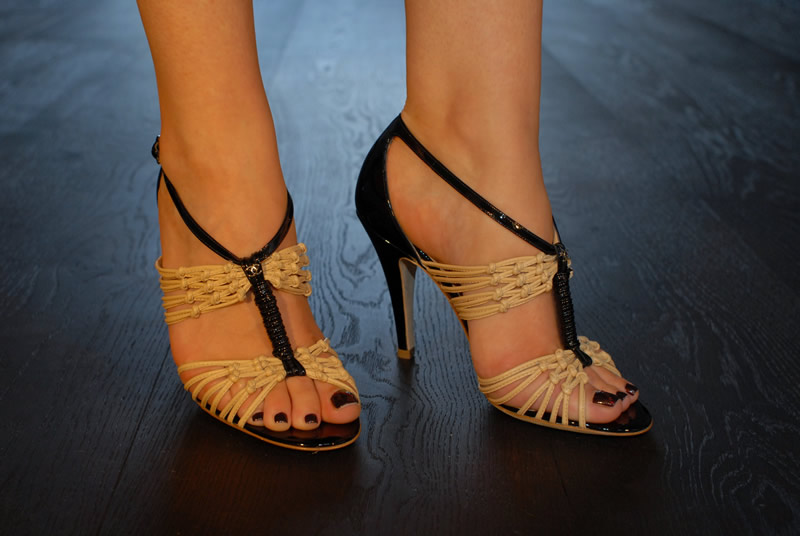
A product photograph from the CM catalogue. Check the listing for the exact size, materials, condition and current availability.
View productWhy a model name is not a material label
The Cinderella Me catalogue calls its example Raffia, while the published description identifies straw-coloured leather cords and a patent finish. The nickname alone is therefore not evidence that the straps are made from raffia fibre. This is a useful reminder to check composition separately from the model name.
The knotted cords and central T-bar also create a specific fit question. Look at the spacing of the straps, ask which fastening adjusts and consider where the cords cross your foot. Do not infer comfort or size from another Chanel sandal with a different upper.
Care and condition: separate shoes from bags
For handbags, Chanel recommends avoiding overfilling, protecting against prolonged light and humidity, and keeping chains or straps wrapped in tissue during storage. It also warns against products that could alter the finish. These are handbag instructions, not permission to apply a cleaning routine to knotted shoe cords or an unknown coating.
For the sandal, obtain advice suited to its recorded materials. Inspect knots, strap attachments, the T-bar and heel tips in the product views. Do not pull at a decorative knot to test it or treat an emblem with metal polish simply because it is shiny.
Coordinating accessories in practice
A textured sandal can work with a simpler bag so that both pieces remain distinct. Repeating one pale or dark tone is an option; matching logos is not necessary. Check the outfit in ordinary light and consider whether the textures catch against delicate hems.
When buying a bag separately, measure the objects you want to carry and compare them with the opening and usable interior. Ask about strap drop, closure and condition instead of treating a famous name as a promise of practicality or future resale value.
What the pictures show
The linked Raffia photographs are product/catalogue examples. They are not customer submissions, endorsements or evidence of the wearer’s experience. The product page supplies the current options and pair-specific information; ask about unresolved material or fit details before ordering.