


Cinderella Me guides
Platform shoes: Renaissance examples, 1930s colour and later revivals
Compare documented platforms across periods without treating every raised sole as the same design.
A long history of raised soles
The Bata Shoe Museum holds a sixteenth-century Italian chopine, a form of platform footwear. It is evidence that a raised sole is not a twentieth-century invention. A chopine and a modern platform sandal differ in construction and setting; resemblance does not mean they served identical purposes.
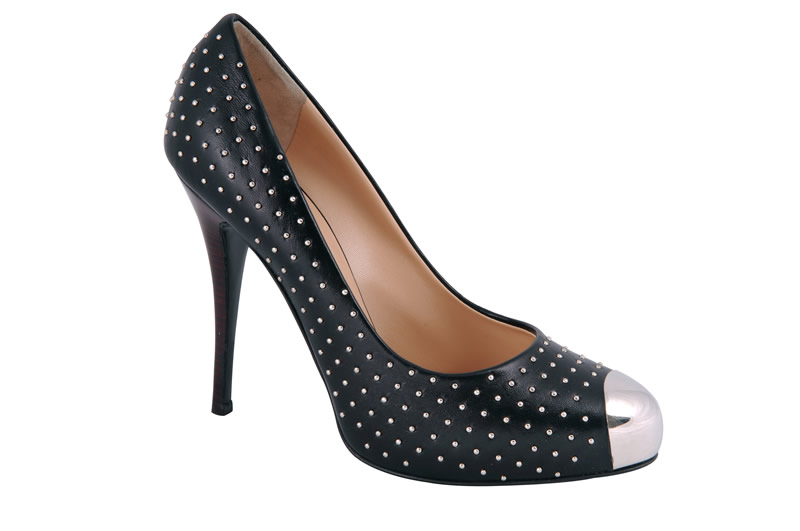
A product photograph from the CM catalogue. Check the listing for the exact size, materials, condition and current availability.
View productFerragamo’s Rainbow, 1938
Museo Ferragamo identifies Rainbow as a 1938 sandal made for Judy Garland, with a cork platform and heel covered in suede. The dated example is particularly useful because it precedes the 1939 release of The Wizard of Oz. Avoid confusing this colourful design with the film’s ruby slippers.
Platforms as fashion statements
Platforms are strongly associated with the 1970s, but later designers returned to them. The V&A documents Vivienne Westwood’s extreme platform footwear, including the 1993 pair associated with Naomi Campbell’s runway fall. That is one striking fashion moment, not a fit or safety recommendation for contemporary shoes.
Compare the construction
Look at how much the forefoot is raised, whether the heel is separate or continuous, and what covers the sole. Those details matter more than a decade label when buying a pair today. A new shoe can reference an earlier silhouette without being a reproduction, and an older platform still needs a careful condition check.